How to tell when it is time
September 19, 2026 · Senior Placement Connect
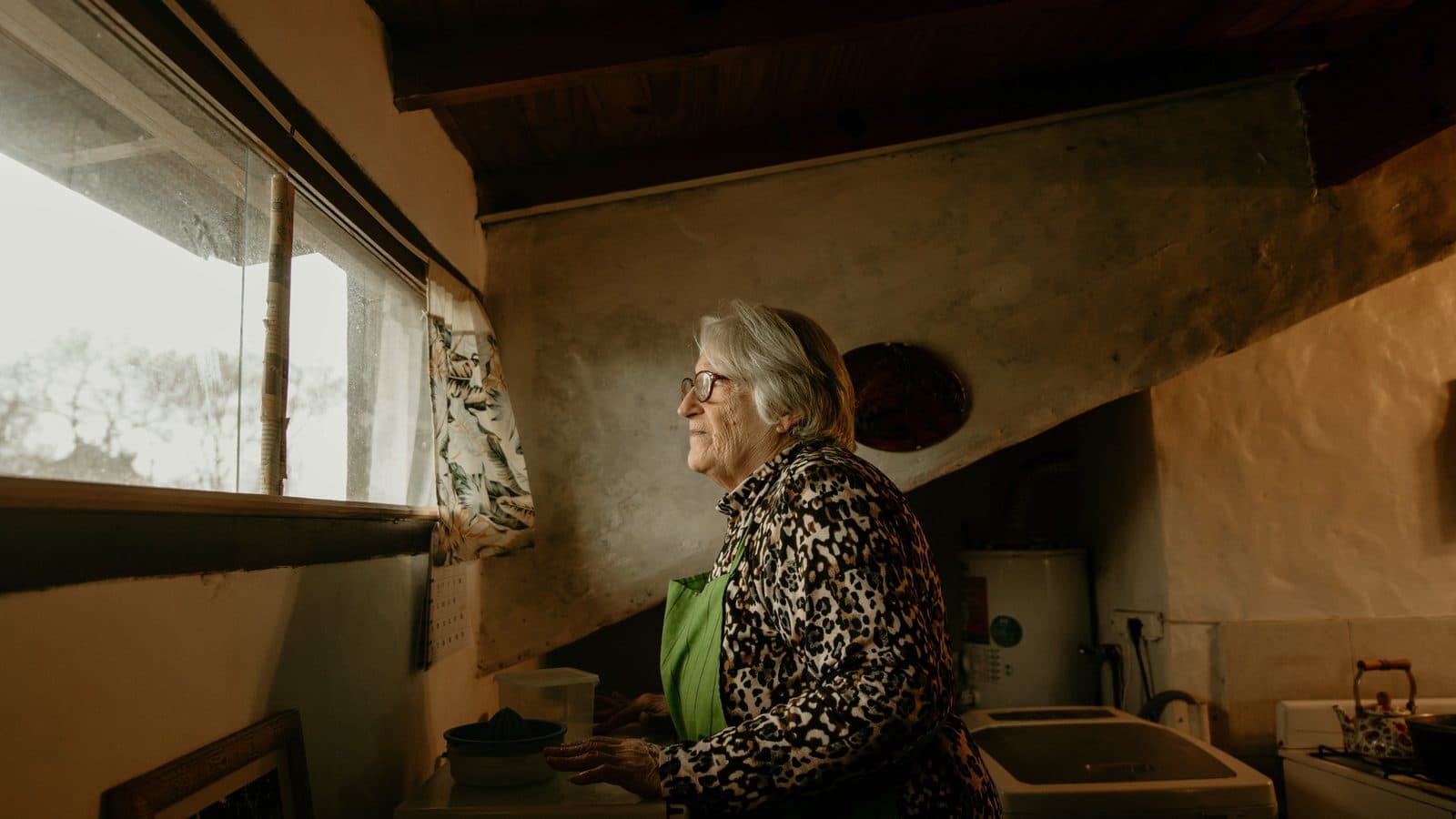
Almost every family waits longer than they should. Then they move a parent and spend a month wondering whether they did it too soon.
There is rarely a single moment that settles it. What there usually is, looking back, is a pattern that had been building for a year.
The signs that matter most
Safety. Falls are the clearest signal, particularly a second one. So is leaving the stove on, taking medication twice or not at all, going out and struggling to find the way home, or opening the door to anyone who knocks.
Medication. If someone is managing a genuinely complex regimen by memory, and getting it wrong sometimes, that is not a small thing. It is the most common reason an older person ends up back in hospital.
Eating. Look in the fridge, not at the answer you are given. Out-of-date food, almost nothing in it, or the same meal every day usually means cooking has quietly stopped.
The house itself. Mail piling up unopened. Bills unpaid, or paid twice. A bathroom that is not clean when it always used to be. These are practical signs, not character ones.
Stopping. No longer going to church, the senior center, the friends they used to see. Withdrawal is easy to read as personality and is more often a sign that going out has become too difficult or too frightening.
The sign families discount
The caregiver is not coping.
If you, or your other parent, cannot sleep, cannot go away for a weekend, are crying in the car, or are angry more often than you want to be — that is a reason on its own. It is not selfish. Care that only works because one person is being worn down is not a plan that holds, and it usually ends in a crisis at three in the morning rather than a considered move.
A bad week or a pattern?
Older people have bad weeks, especially after an infection or a bereavement. Before concluding anything, write things down for two weeks — the falls, the missed medication, the meals, the phone calls. Two weeks of notes is far more reliable than a memory of the worst day, in both directions. Sometimes it shows there is no pattern at all.
It may be less than you fear
Families often assume the choice is "home or a nursing home". It rarely is.
- A few hours of care at home each day covers a surprising amount.
- Assisted living is help with daily life, not a medical setting — most residents have their own apartment and come and go.
- Skilled nursing is for genuine medical need, and most people who fear it do not need it.
Getting the level right matters more than getting the decision fast. Too much care makes someone decline faster; too little puts them back in hospital.
Raising it with a parent who does not want to
There is no script that makes this easy, but some things help.
Lead with the specific rather than the general — "you fell twice in May" rather than "you are not coping". Ask what *they* are worried about, and listen to the answer. Offer to look at two options rather than asking whether they will consider moving; a choice is easier than a verdict. And separate the house from the care: the fear is often about losing the home, not about needing help.
If they refuse, and they are safe enough for now, you have not failed. Keep the notes, keep the conversation open, and get the information ready so you are not making this decision inside 48 hours when something does happen.
When you want a second opinion
An advisor will go through the situation with you and say plainly what level of care they think fits — including when the answer is "not yet". It costs your family nothing. Talk to an advisor.